Portable Toilet Rental Companies: Service Guarantees and Policies
Renting portable toilets sounds simple until the moment you need it to be simple under pressure. A wedding venue schedule that slips by two hours. A construction site that suddenly adds a second phase. A school event with more attendees than expected. In each case, the quality of the rental experience comes down to the policies and guarantees your portable toilet rental companies actually stand behind, not the brochure promises.
I’ve handled enough last minute calls in the field to know what separates a dependable Portable Toilet Rental partner from a “we’ll see what we can do” vendor. The difference is rarely the toilet itself. It’s the service commitments, the way issues are handled, and how clearly the company defines responsibility when something goes wrong.
Below is a practical look at the service guarantees and policies you should expect, how to compare options without getting trapped by vague language, and what questions to ask before you place a Porta Potty Rental Boston order.
Why “guarantees” matter more than people think
A portable toilet is not a standard retail purchase. You are buying a timed service: delivery, placement, restocking or servicing, and removal, sometimes repeatedly. That means the risk is shared. If the rental company shows up late, the event suffers. If they miss a servicing window, the toilets get unusable. If they underestimate what “capacity” means for your specific crowd, you end up paying again or improvising.
I once watched a project manager try to solve a sanitation issue with extra units purchased last minute from a different supplier. The plan failed because the first company did not have a clear restart policy for servicing frequency. They assumed the original schedule remained valid even though the site changed. The second company could deliver new units quickly, but the missed servicing interval still created a smell and cleanliness problem that damaged the site’s reputation. It wasn’t a toilet problem. It was a policy problem.
Service guarantees are how you protect yourself against that kind of chain reaction.
The core policies that shape your real-world experience
When you evaluate portable toilet rental companies, look beyond “clean and delivered” and focus on how they treat time, maintenance, and communication.
Delivery and placement commitments
Most orders fail at the delivery stage, not because anyone wants to be late, but because schedules are tight and logistics are complex. Policies that matter include:
- Delivery time windows, and whether the window is defined in plain language (for example, “arrive between 8:00 and 12:00”) rather than vague “by end of day.”
- What happens if the driver can’t access the site due to gates, tight turns, or insufficient space. A reputable company should explain who is responsible for access and what they do to prevent failed deliveries.
- Placement accuracy. If you need units placed along a specific route for ADA access or to avoid blocking a walkway, ask whether they place each unit where you specify and whether there’s any additional fee for repositioning.
A lot of customers only ask when the trucks will arrive. The smarter question is what the company considers “delivered” and “in service.” If a unit arrives but can’t be set in the intended location, does it count as delivered? Those details become important when you are coordinating with a venue manager.
Servicing frequency and response time
For many jobs, the initial delivery is the easy part. The hard part is keeping toilets usable across the rental period. Policies here usually fall into two buckets: scheduled servicing and emergency servicing.
For an event spanning a weekend, companies may service on a predictable cadence. For construction sites, the pace often depends on usage. The policy should explain how they track usage and when they recommend changes, not just when they can show up.
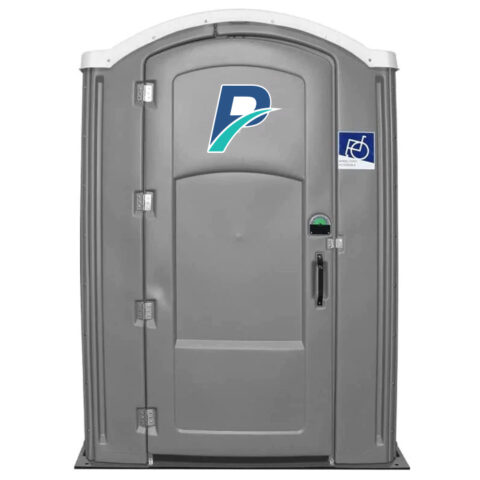
Emergency portable toilet rental is where the gap between marketing and operations shows up. “Emergency” can mean anything from “available the same day” to “as soon as a driver is free.” A guarantee should address:
- How quickly they can dispatch a unit when conditions change
- Whether an emergency unit is priced differently
- Whether emergency service still includes pumping, restocking, and trash removal, or only partial service
If the company cannot make a real time commitment, you want at least a clear escalation path. Who do you call? What information do you need to provide? How do they confirm they received the request?
Cleanliness standards and what “clean” means
“Clean” is one of the most overused words in portable sanitation sales. You want standards that are observable and enforceable. Ask about:
- Whether they include interior cleaning and restocking with every service visit
- How they handle odor control
- What they do when a toilet is damaged during the rental period
In my experience, the best companies don’t just claim their units are clean. They describe what their technician does each time, and they’re comfortable talking about how they inspect units before leaving a site. If they avoid specifics, it’s often because their process varies by technician or region.
Damage, misuse, and responsibility boundaries
A strong rental policy clarifies responsibility. You need to know what happens if someone vandalizes a unit, if a unit tips due to ground conditions, or if a toilet becomes unusable due to misuse.
Good policies often include:
- Clear guidance on reporting damage quickly
- Whether the company charges for damage caused by negligence or misuse
- How they handle repairs versus replacement
- Who has authority to approve any extra charges during the rental period
I’ve seen smaller vendors argue after the fact that a problem was “inevitable,” while larger ones tend to document condition at placement. The most customer-friendly approach is usually simple: a photo or checklist at delivery, a defined service contact for issues, and a policy that treats honest reporting as the norm.
Cancellation, rescheduling, and weather impacts
Weather can derail delivery routes and servicing windows, especially during snowstorms or heavy rain. The best Portable Toilet Rental contracts treat weather with practical language.
Look for policies that address:
- Rescheduling terms if you change dates due to weather or permitting issues
- Cancellation timelines and any penalties
- How late deliveries are handled when roads or access routes change
You do not want a contract that treats weather as an automatic loss for you without any flexibility. You also don’t want one that promises absolute arrival times while quietly allowing no accountability. The balanced vendors state what they can control and how they communicate changes.
Pricing policies that can save you money (or surprise you)
Cost is obviously a factor. People searching for cheap portable toilet rental often want the best deal, but cheap can become expensive when the policy forces costly repeat deliveries or emergency fees.
There are a few pricing structures you should understand before you commit:
- Base rental plus service visits: Some packages bundle a set number of servicing runs. If your usage is higher than expected, you may need additional visits.
- Per-day pricing: The daily rate can look low, but extended rentals often trigger additional fees for extra servicing, replacements, or extended time windows.
- Unit-based pricing with “add-ons”: Common add-ons include extra pumping, extra handwashing stations, ADA accommodations, and trash removal.
A key policy question is whether the company adjusts the plan midstream if your usage changes. A dependable vendor will usually recommend more units or more frequent servicing rather than waiting until things break. The policy may allow schedule changes with a small fee or no fee within a certain timeframe.
If the company is rigid, you may end up paying for emergency portable toilet rental at the worst moment, when staffing and routing constraints are highest.
The “fine print” that matters: guarantees and accountability
Service guarantees should tell you what you get if the company misses its own standards. Without accountability, a guarantee is just a slogan.
Here’s what a real guarantee often looks like in practice:
- If they miss a scheduled service visit, the policy should explain how they prioritize your site and whether they offer any credit or adjustment.
- If delivery is delayed beyond a set window, the policy should clarify how they handle the impact. Even if they cannot refund, they should at least communicate a clear next step.
- If a unit arrives damaged or defective, what happens next matters more than the apology. Replacement timelines, no-charge repairs, and confirmation steps are the difference between a quick fix and a multi-day cleanup headache.
If you are booking for a major event, ask whether there is a designated dispatcher or customer support contact for the event window. A company that treats large orders differently often has a more reliable response system.
Portable toilets and compliance: what companies should clarify
Compliance is a place where customers can get stuck, especially around ADA needs and event permits. You might not be the compliance expert, but you can ask the rental company to clearly state what they provide and what you must arrange.
Policies to look for include:
- Whether they offer ADA compliant portable toilets and how they verify spacing or setup requirements
- Whether units include necessary accessibility features (for example, handrails where applicable)
- Whether they can coordinate placement suggestions based on your site layout
I recommend phrasing the question in practical terms. Instead of “Are you ADA compliant?” ask, “What setup requirements do you recommend so the unit works for the intended users, and what do you need from us on site?” A competent Portable Toilet Rental provider will answer with site-specific guidance, not legal slogans.
For permits, the rental company usually does not obtain your paperwork, but a good vendor may provide documentation or guidance you can share with your venue or contractor. Clarify what they can provide up front.
Emergency portable toilet rental: how to set yourself up for success
Emergency rentals are rarely truly “instant,” but you can reduce the chaos. The key is having your basic details ready and understanding the limitations the company will face.
When you call for emergency portable toilet rental, expect to provide:
- delivery location and exact access instructions
- rental start time and urgency
- estimated headcount or usage intensity
- how long you need the units
- any special requirements, like ADA access or handwashing needs
Your best safeguard is to ask what their emergency policy guarantees. A strong company will tell you:
- whether you’ll receive a confirmation time
- the service level included (pumping, restocking, trash removal)
- whether additional units can be delivered if usage increases
A quick anecdote: on one job, the client thought “emergency” meant “the same model we originally ordered, with no substitutions.” The emergency vendor could deliver quickly but had different inventory due to the day’s route planning. The client was upset until the vendor offered a swap policy if the original units became available within a defined window. The lesson is simple: emergency policies should include how substitutions and upgrades are handled.
Porta Potty Rental Boston: local logistics considerations
If you are planning a project around the Boston area, you’ll quickly learn that logistics can be the difference between smooth service and constant friction. Even when a company is competent, traffic, route limitations, and site access rules can affect timing.
When considering Porta Potable Rental Boston options, pay attention to policies about:
- delivery window definitions during peak hours
- how access constraints are handled, especially at venues with limited loading zones
- whether there are additional fees for difficult site placement or for staff-assisted repositioning
- how servicing is scheduled around traffic and local operational constraints
Some companies have more flexible routing if they serve certain neighborhoods more portable restroom rental often. Others rely on strict dispatch schedules. You don’t need to know their entire system, but you should ask questions that force clarity, like: “If you cannot access the loading zone when you arrive, what happens next and portable toilets to rent how do we coordinate an alternate drop?”
Cheap portable toilet rental: how to shop without regret
Cheap portable toilet rental is a common search, and it’s not automatically a bad idea. The risk comes when “cheap” means fewer services, loose communication, or minimal accountability.
Instead of trying to find the lowest price on the website, compare the service policies that protect you during the rental period. A slightly higher base cost can be cheaper if it includes additional servicing runs, clearer service windows, or tighter response time when issues appear.
Here’s what I look for when trying to keep costs controlled while staying protected.
- how many servicing visits are included in the rental period, and what counts as a “service”
- whether emergency portable toilet rental includes the same level of restocking and pumping as scheduled service
- what fees apply for extending the rental day beyond the original schedule
- how damage and replacements are handled if a unit fails during the rental window
If you can’t get clean answers to these, the “cheap” rate is likely hiding costs that show up later.
Questions to ask before you book (the ones that actually matter)
You can avoid a lot of regret by asking a few targeted questions. The goal is to force the vendor to talk about operations and responsibility.
- What delivery time window do you guarantee, and how do you notify me if the truck is delayed?
- How often do you service during the rental period, and what triggers an extra visit?
- What exactly is included in emergency portable toilet rental, and how quickly can you confirm a dispatch?
- What is your policy if a toilet is damaged or unusable when you arrive for servicing?
- Are there any charges for repositioning units after delivery due to site access issues?
These aren’t gotcha questions. They are basic definitions. If the rental company responds with clear operational language, you are usually safe. If they respond with vague reassurance, you should adjust expectations or keep searching.
What good documentation looks like
A dependable Portable Toilet Rental experience typically includes documentation that is easy to understand. You don’t need a legal novel, but you should get clarity on:
- the rental start and end dates
- unit count and unit types
- servicing schedule and what changes it
- contact information for day-of issues
- any cancellation and rescheduling policy
In practice, I like to see confirmation messages that state the plan clearly, even if a formal contract exists. A simple “You’re set for delivery on Thursday 9 to 12, with servicing Friday morning and Monday morning, and removal on Tuesday” reduces misunderstandings because everyone sees the same schedule.
Common failure points (and how policy prevents them)
Even the best vendors can have hiccups, but policies help prevent them from becoming disasters.
- Misaligned expectations on servicing: The customer expects more frequent pumping, the vendor assumes the schedule is enough. A strong policy includes usage assumptions and a way to revise servicing frequency.
- No clear emergency pathway: The customer calls late at night and nobody can confirm a response. Emergency portable toilet rental should have a defined contact and process.
- Unclear responsibilities for access: If the truck cannot enter the site, the vendor blames the customer and the customer blames the vendor. A clear access policy sets boundaries and requires communication before issues escalate.
- Substitutions without notice: A different unit arrives due to inventory or routing. The policy should say whether substitutions are allowed and how the customer is informed.
These are the moments where a contract either protects you or leaves you arguing on the phone while the event runs.
Building a rental plan that fits your real usage
A portable toilet rental should match demand. If you under-provision, the servicing becomes frantic and cleanliness suffers. If you over-provision, you waste money and sometimes waste space you could have used for other necessities.
Your best strategy is to discuss usage patterns with the vendor. Even without exact formulas, you can provide realistic inputs like expected headcount and event duration. Ask whether they recommend additional units as the crowd grows. The best portable toilet rental companies will treat the recommendation as part of their service, not as a sales pitch.
And if you have staff on site, establish a simple check routine. I’m not talking about a formal inspection system. Just one person tasked with noting when toilets look low on supplies or when conditions worsen, then contacting the rental provider. That single step can prevent the “everything went bad at once” scenario.
How to evaluate a company quickly when you’re under time pressure
If you’re booking soon, you may not have time for deep back-and-forth. Still, you can evaluate quickly by focusing on operational clarity.
A vendor that is easy to work with will:
- answer the key service policy questions directly
- provide written confirmation of delivery and servicing windows
- explain emergency portable toilet rental options without pressuring you into a hard-to-understand price
- use consistent terms, like what counts as a service visit and what triggers additional fees
You don’t need to memorize contract language. You need to know whether the company’s policies translate into reliable action on the ground.
Final practical guidance: what to prioritize
If you only remember a few things, make them these.
First, prioritize the policies that cover time and responsiveness. Delivery windows, servicing schedules, and emergency dispatch behavior determine whether the toilets stay usable.
Second, prioritize clarity on responsibility. Who handles access issues, who reports damage, and how substitutions are handled should be spelled out.
Third, evaluate “cheap” as a package, not a number. Cheap portable toilet rental is only cheap if it includes the right servicing level for your rental duration and headcount assumptions.
And if you’re specifically looking for porta potty rental Boston, treat local logistics as part of the policy conversation. The best vendors plan around real access and traffic realities, and they tell you what they need from you to make the schedule work.
When you choose portable toilet rental companies this way, the rental becomes a background detail instead of a recurring stressor. That’s the real service guarantee.
Premier Portable Potties
35 Industrial Dr, East Bridgewater, MA 02333, United States
(774) 444-6997
[email protected]
website: https://www.premier.boston/